Nobody Else Could Have Played Any of Them: Tim Curry's Reach
An actor whose real signature was refusing to have one.
Tim Curry died today at 80, and the honest tribute to pay him isn't to pick a single defining role — it's to point out how strange it is that he has several, and that none of them resemble each other. Most performers who become genuinely iconic get there by being recognizably themselves inside every part. Curry got there by being almost unrecognizable from one part to the next, and somehow building a singular identity out of that refusal to repeat himself.
A career built on range, not a brand
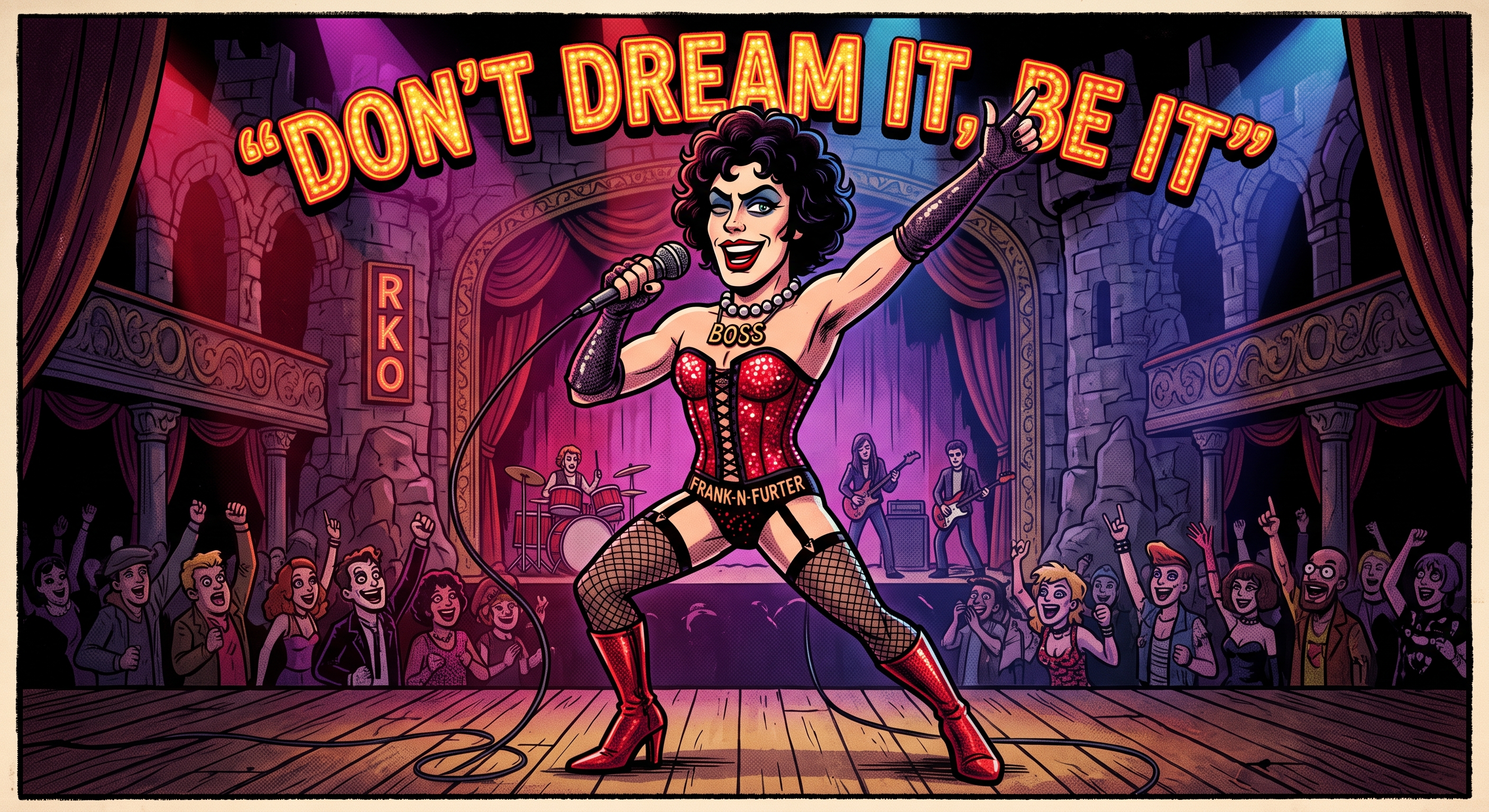
He originated Dr. Frank-N-Furter on stage before the character ever reached film, playing him with a theatrical fearlessness that a less serious performer could have easily turned into a cheap joke. He didn't. Years later, he became the definitive on-screen Pennywise, a performance so unsettling it became the reference point every subsequent take on the character gets measured against. In between and alongside, he voiced animated villains warmly remembered by an entirely different generation who had no idea he was the same actor behind the corset and the clown makeup. That's not range as a resume line. That's an artist actively resisting the easiest version of a career he could have coasted on.
Stage: Tony-nominated work across multiple Broadway and West End productions, including originating iconic roles years before Hollywood ever cast him in them.
Film & TV villainy: a genuine gallery of antagonists — menacing, campy, or genuinely frightening depending entirely on what the part called for, never on autopilot.
Voice work: a second, quieter career's worth of animated and audiobook performances, reaching audiences who knew his voice long before they knew his face.
Music: a real, working singing career alongside the acting, treated with the same seriousness as everything else he did.
Individuality as the actual through-line
What ties all of it together isn't a genre or a type — it's a performer who consistently refused to be flattened into one. He kept working through serious health setbacks in his later years without turning that struggle into the headline of his career, which says something real about how he wanted to be remembered: for the work, not the difficulty of making it. That's a genuinely rare kind of individuality — not eccentricity for its own sake, but an actor who trusted that being fully committed to whatever the role required, every time, would add up to something more distinctive than picking one persona and defending it for fifty years. It did.